Weather in the Past
Explore historical weather conditions and long-term trends derived from local observations.
Temperature is the most familiar indicator of weather, but long-term patterns are best understood through averages and seasonal cycles rather than daily extremes. This view highlights how thermal conditions evolve over time and how perceived comfort can differ from measured temperature.
Sunlight is a primary driver of both weather and energy systems. Historical solar irradiance reveals how cloud cover, atmospheric conditions and seasonal geometry shape real energy potential — beyond temperature alone.
Wind influences weather perception, heat exchange and mechanical energy potential. Looking at wind history helps distinguish persistent regimes from short-lived or turbulent events.
Precipitation patterns reflect seasonal rhythms punctuated by occasional extreme events. Historical rainfall and snowfall data provide insight into water availability, environmental stress and infrastructure exposure.
Climate reference and long-term context
|
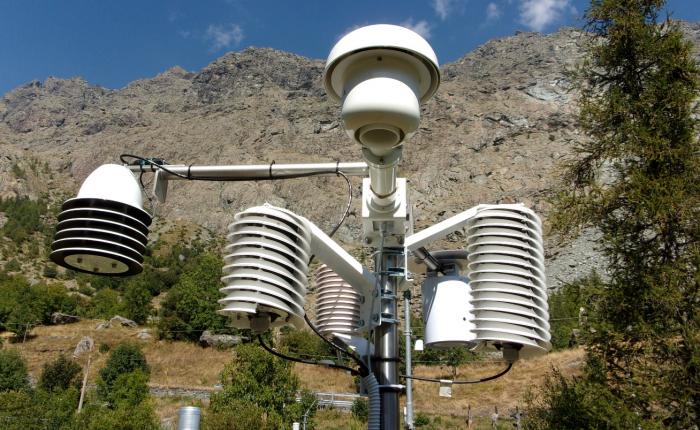
The data presented on this page is derived from local weather observations and forecasts, aggregated over days, months, and years. While this provides valuable insight into recent conditions and medium-term variability, it is important to place these observations within a broader climatic framework. Climate differs from weather in both scale and purpose. Weather describes short-term atmospheric conditions at a specific location, whereas climate refers to long-term statistical behaviour, typically analysed over periods of 30 years or more. |
|
Why local history is not the full climate story
|
A local historical dataset, even spanning several years, captures variability and trends that are meaningful for system design, energy optimisation, and user behaviour. However, it cannot, on its own, define climatic norms or long-term change. Exceptional years, unusual seasonal patterns, or short-lived anomalies can strongly influence averages when the observation window is limited. Climate analysis therefore relies on longer, standardised reference periods and broader spatial coverage. |

|
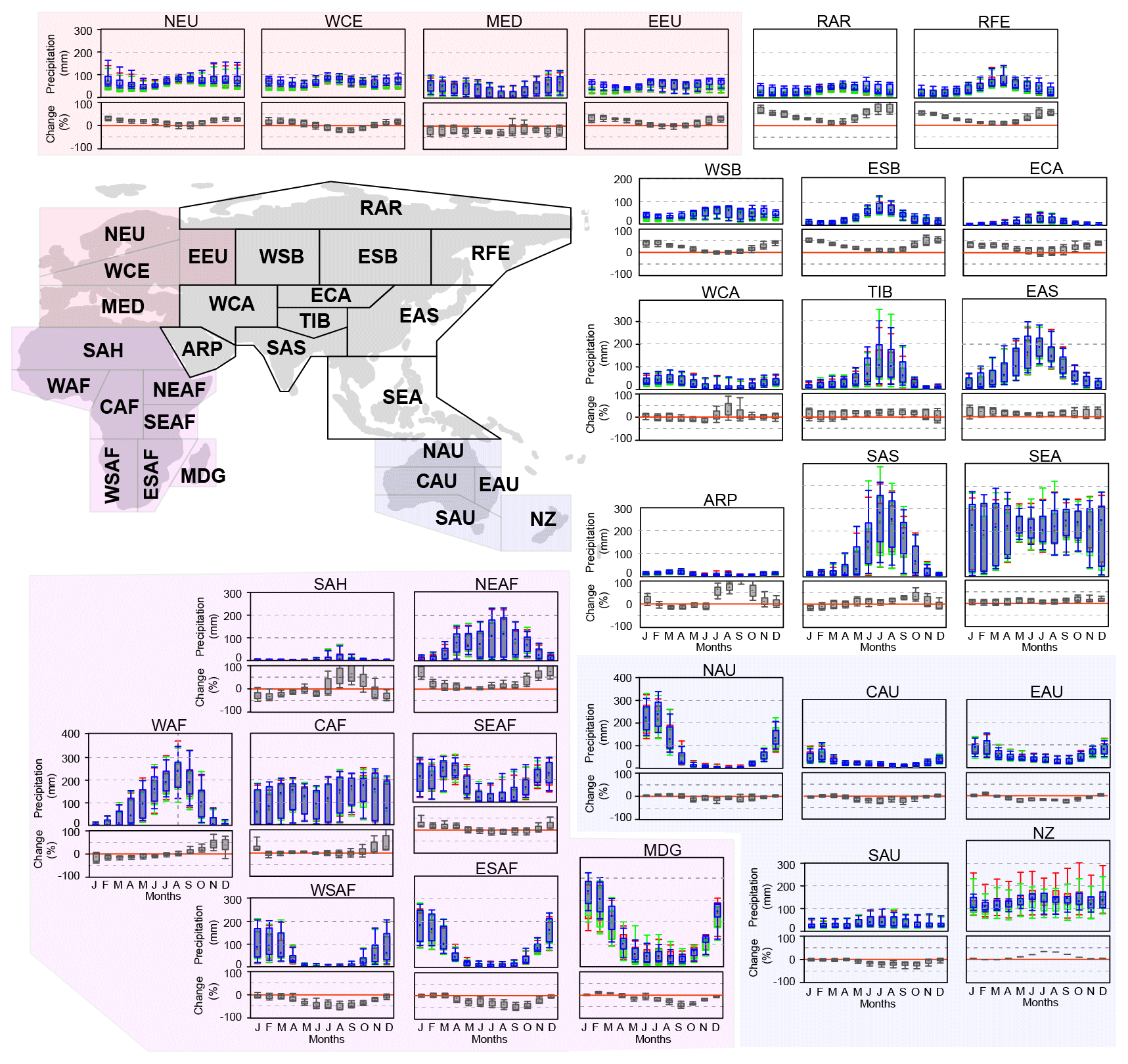
Reference climate datasetsTo complement local observations, this page may reference established climate datasets published by national and international institutions. These sources provide:
Such references allow users to compare recent local conditions with long-term expectations, helping distinguish between normal variability and more structural shifts. |
|
Using both perspectives togetherThe most meaningful understanding emerges when local weather history and broader climate references are considered together:
This combined perspective supports better decision-making for system sizing, resilience, and adaptation, while maintaining a clear distinction between observation and interpretation. |
External sources about climate observation
These are solid, factual sources that focus on measurement, datasets, and methodology rather than advocacy.
This website is not promoting pro or against global warming neither is it a climate change addict website.
This is the opinoin of the website's owner. Climate is what it is and humanity has always been clever enough
to adapt to changes, especially when these occur over a quite long period of time. Work on actions rather than fear and resignation!
-
🌍 World Meteorological Organization (WMO )

- UN agency coordinating global weather and climate observations
- Publishes climate normals, datasets, and methodological standards
- Very technical, neutral, and data-driven
- ✔ Excellent for explaining what “climate normals” mean
- ✔ No political messaging
-
🌍 Copernicus Climate Change Service (C3S)
- European Union Earth observation programme
- Provides open datasets, reanalysis, and climate indicators
- Strong emphasis on transparency and reproducibility
- ✔ Ideal for historical context and long-term trends
- ✔ Strong data credibility
- ✔ Widely used by researchers and engineers
-
🌍 Intergovernmental Panel on Climate Change (IPCC)
- Synthesises peer-reviewed scientific literature
- Assessment reports are conservative and consensus-based
- ✔ Cite for definitions and long-term perspectives
- ⚠ Use selectively
- ❌ Avoid opinion-based summaries; link to technical sections or glossaries
-
🇪🇺 Météo-France – Climate section (Météo-France)
- Official French climate and weather authority
- Publishes climate normals, historical analyses, and trends
- Clear distinction between weather observations and climate statistics
- ✔ Highly suitable for a French-based site
- ✔ Authoritative and non-sensational
-
🇪🇺 European Centre for Medium-Range Weather Forecasts (ECMWF)
- Produces reanalysis datasets (ERA5)
- Used by Copernicus and many national services
- ✔ Extremely technical
- ✔ Excellent credibility
- ✔ Good reference for “how climate data is built”
-
🇺🇸 National Centers for Environmental Information (NOAA)
- One of the largest climate and weather data archives worldwide
- Strong focus on raw data and statistical products
- ✔ Very factual
- ✔ Useful for explaining long-term datasets
- ✔ Minimal editorialisation
-
🎓 UK Met Office – Climate science (UK Met Office)
- Research-oriented explanations
- Clear definitions and methodology
- Strong separation between observation and interpretation
- ✔ Very good educational tone
- ✔ Trustworthy
-
🎓 NASA Earth Observatory (NASA EO)
- Observation-focused (satellites, measurements)
- Explains how data is collected and interpreted
- ✔ Excellent for solar, atmospheric, and Earth energy balance topics
- ✔ Avoid opinion pieces; stick to measurement pages