Weather and Sunlight
|
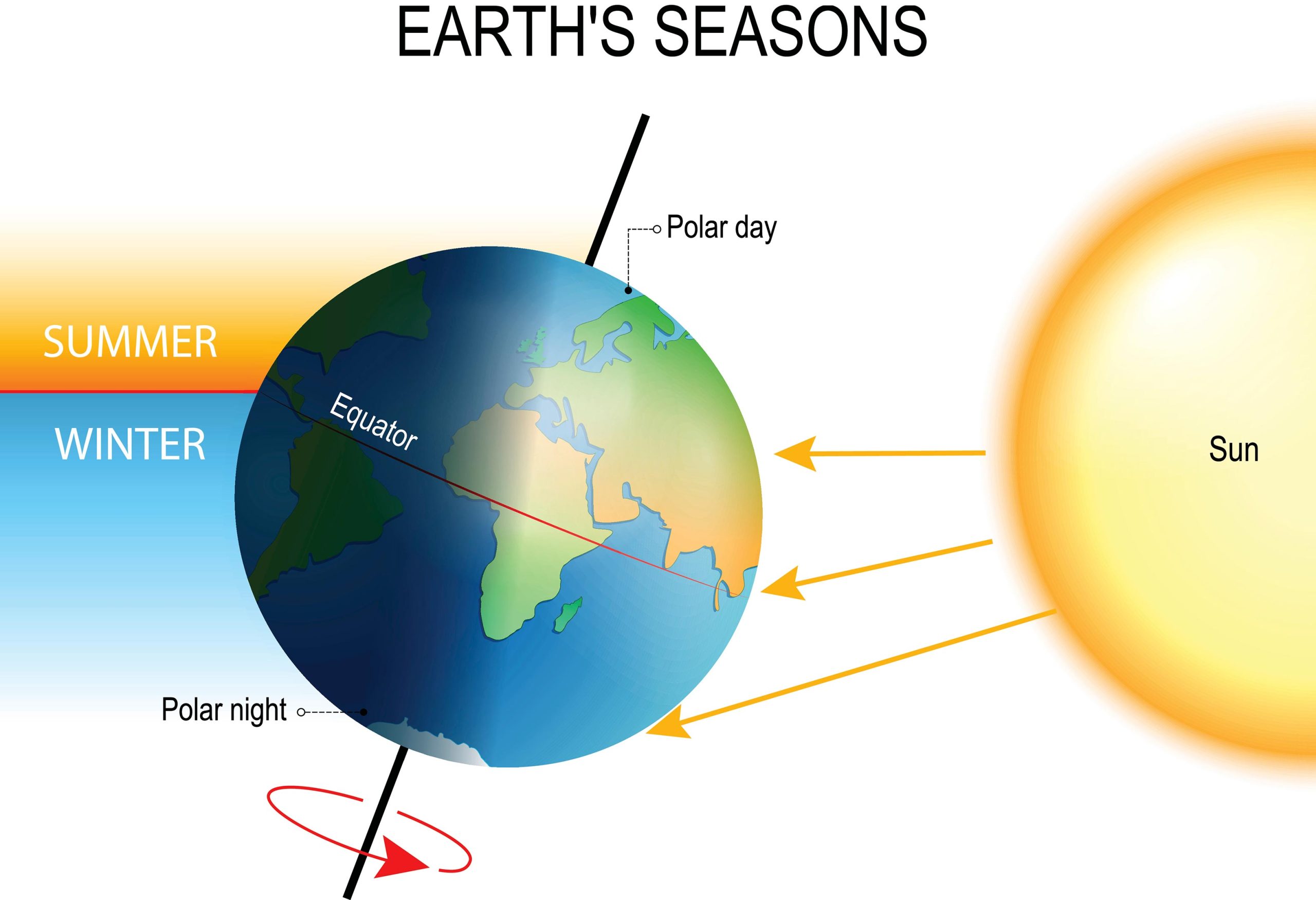
Weather is not only about rain, clouds, or temperature. It describes how energy from the Sun reaches the Earth, how it is filtered by the atmosphere, and how it becomes available to natural and human systems. |
|
Weather as an Energy System
|
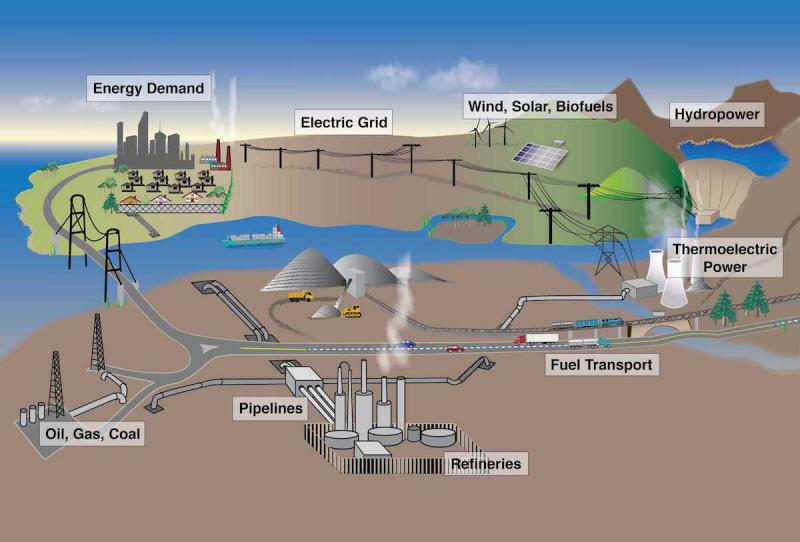
The Sun is the primary source of energy for the Earth system. Weather results from the interaction between incoming solar radiation, the atmosphere, the oceans, and the surface of the planet. Rather than creating energy, weather redistributes and transforms it, influencing how much energy is available locally, when it arrives, and in which form. |
|
Sunlight, Geometry, and Seasons
The Atmosphere as a Filter
|
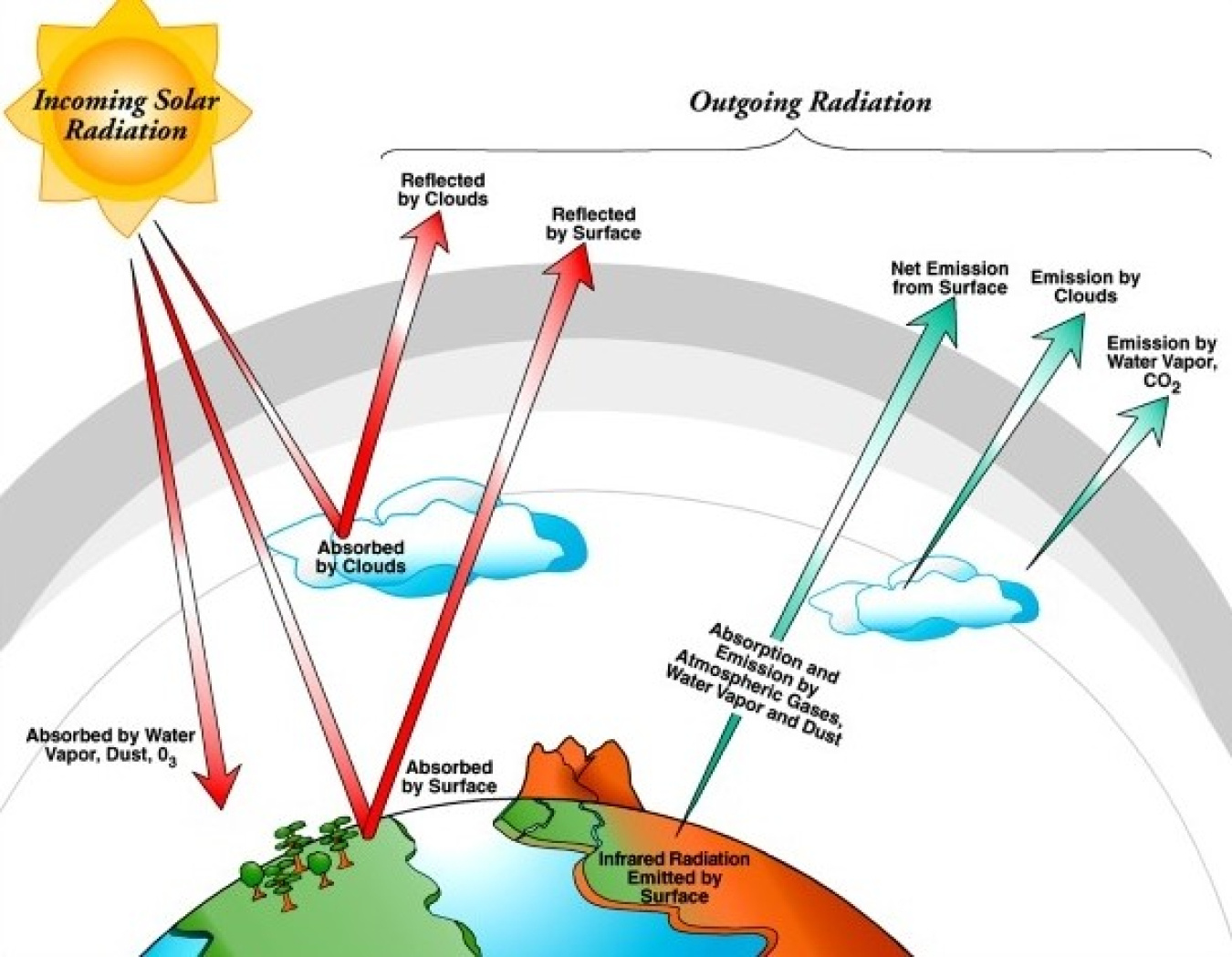
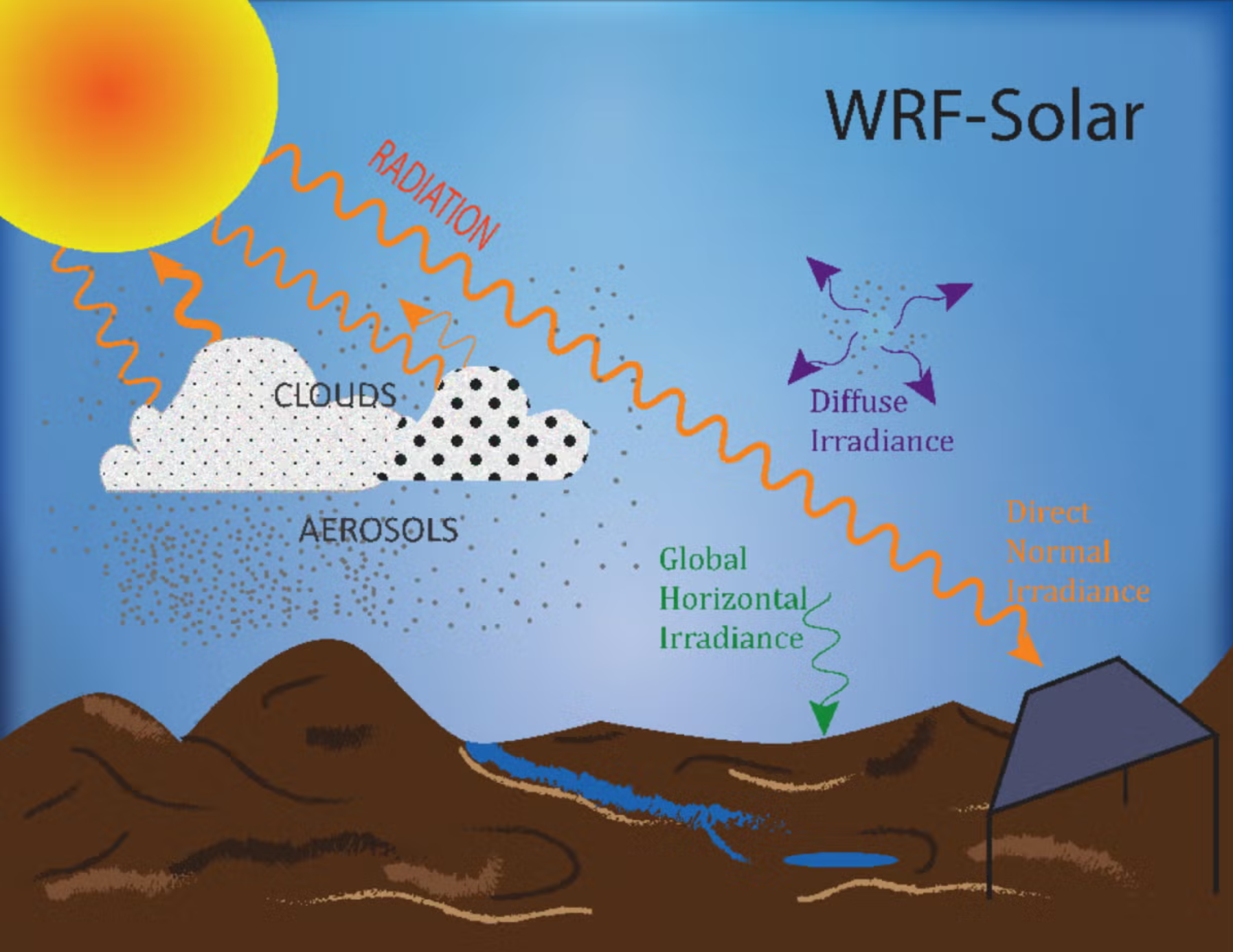
Before reaching the ground, sunlight passes through the atmosphere, where it is partially absorbed, scattered, or reflected.
Even under cloudy conditions, significant amounts of energy can still reach the surface, though in a more diffuse form. |
|
From Sunlight to Energy Forms
|
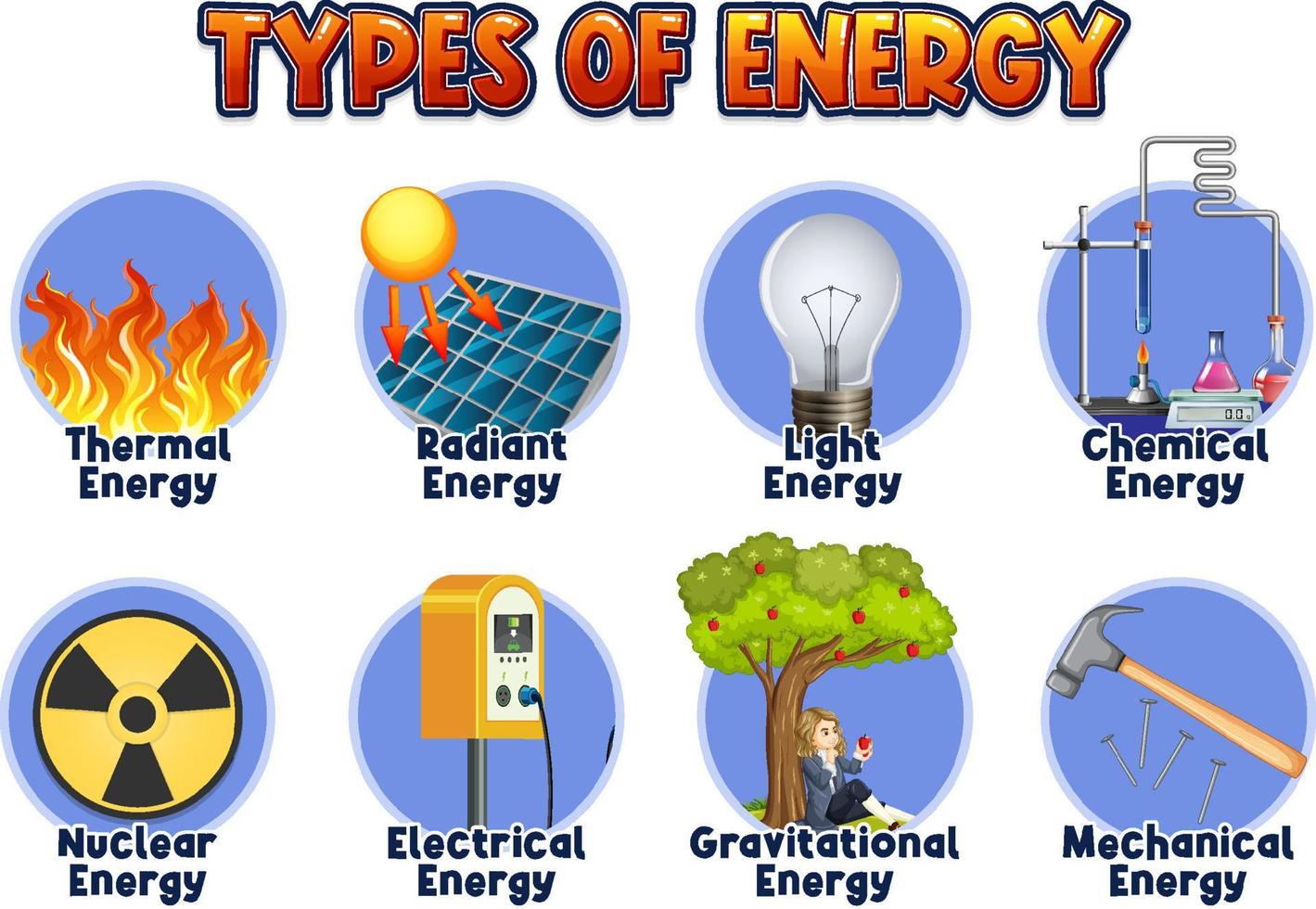
Solar radiation is transformed into multiple forms of energy once it reaches the Earth. These transformations occur both naturally and through human technologies.
Research projects explore how these pathways can be combined or optimised, for example by harvesting sunlight simultaneously for electricity and chemical production. |
|
Weather Variables That Matter
|
Several weather parameters directly influence how much usable energy is available:
|
|
Exploring Weather Data
Weather data can be analysed over different time scales, from short-term forecasts to long-term climate records. Each perspective serves a different purpose.
Weather at 5 Days →
Short-term forecasts help anticipate immediate conditions and energy production.
Weather in the Past →
Historical data provides context, trends, and insights into climate evolution.