From Sunlight to Usable Energy
|
Before energy can be monitored, optimised, or consumed, it must first be collected, transported, and transformed. This section provides an overview of how energy from the sun is converted into forms that can be used in a household. |
|
Collecting Energy
|
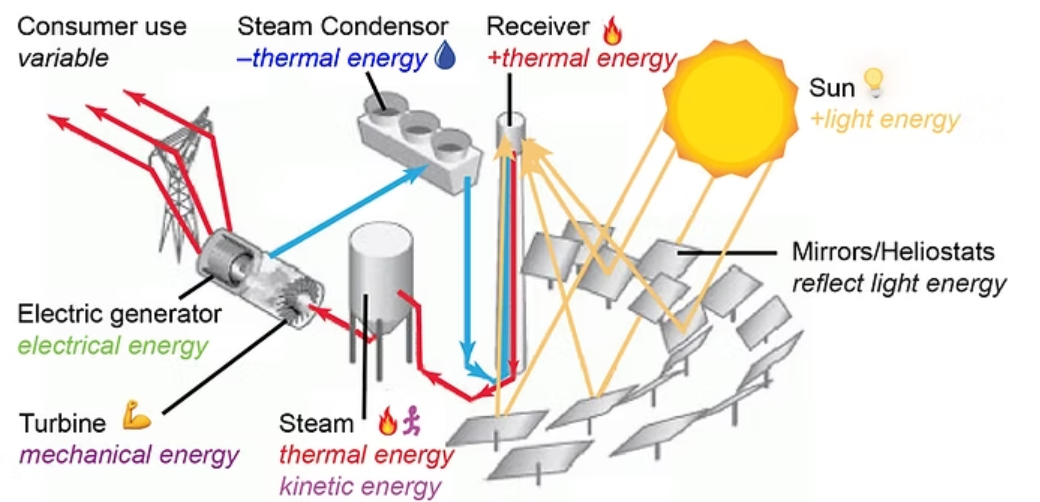
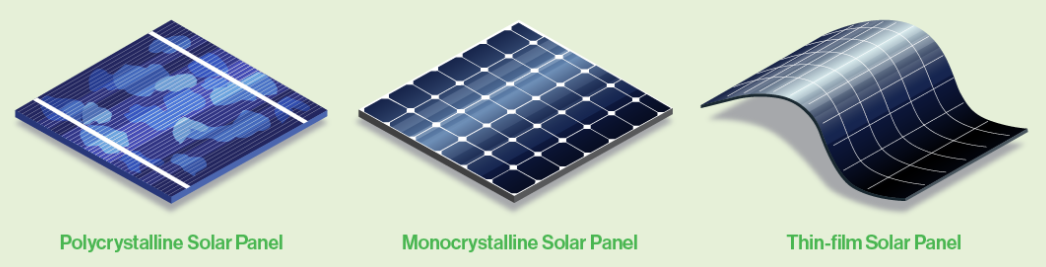
The first step consists in capturing energy from natural sources. In the context of solar energy, this includes not only photovoltaic panels that convert light into electricity, but also thermal collectors that harvest heat. Collection efficiency depends on many factors such as orientation, inclination, local weather conditions, and the technologies used. |
|
Transporting Energy
|
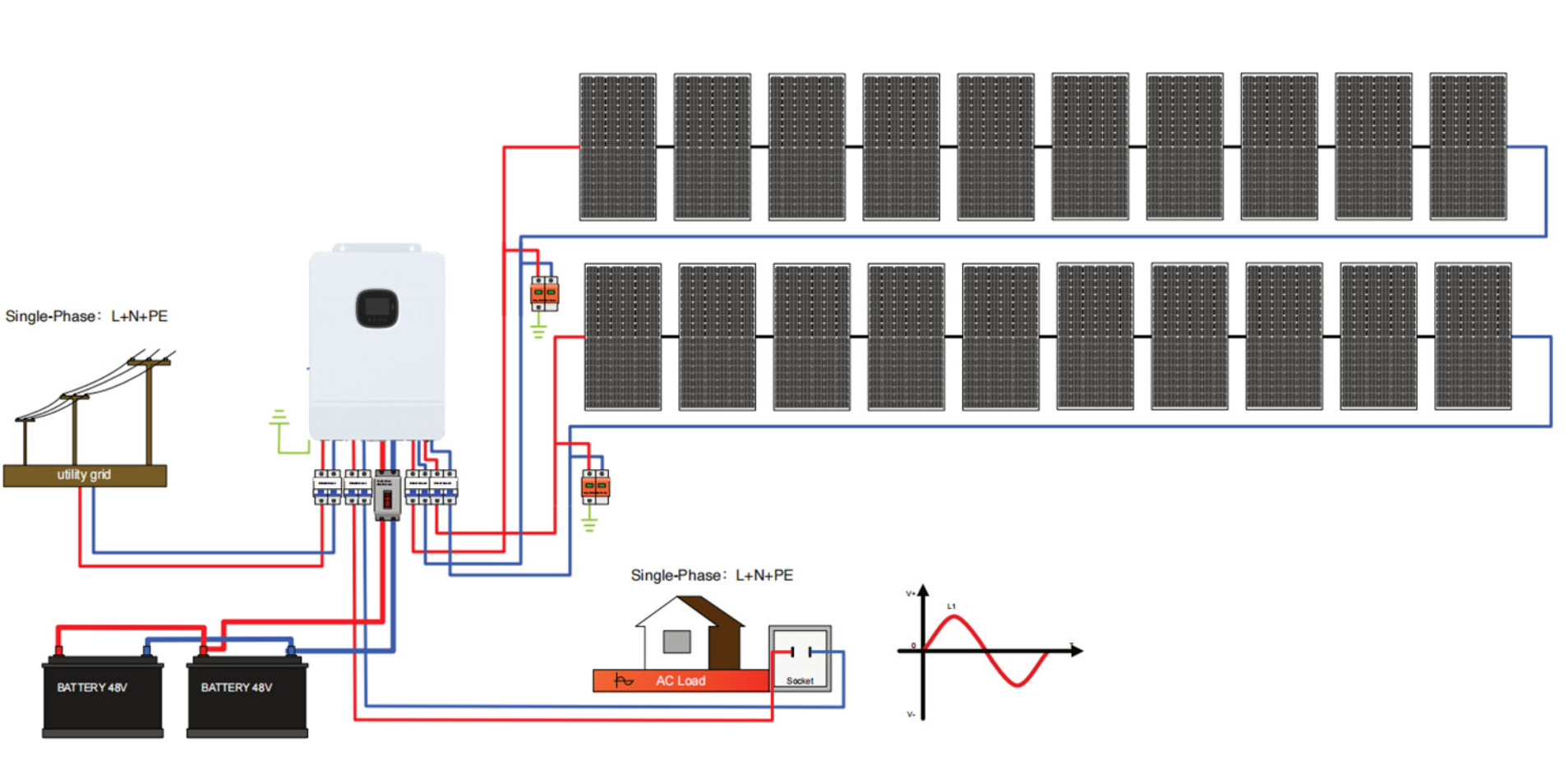
Once collected, energy must be transported from its source to where it can be used or stored. This transport always involves losses, whether energy is carried as electricity, heat, or mechanical motion. Understanding transport mechanisms helps explain why voltage levels, cable sizing, insulation, and distances play a crucial role in system efficiency. |
|
Transforming Energy
|
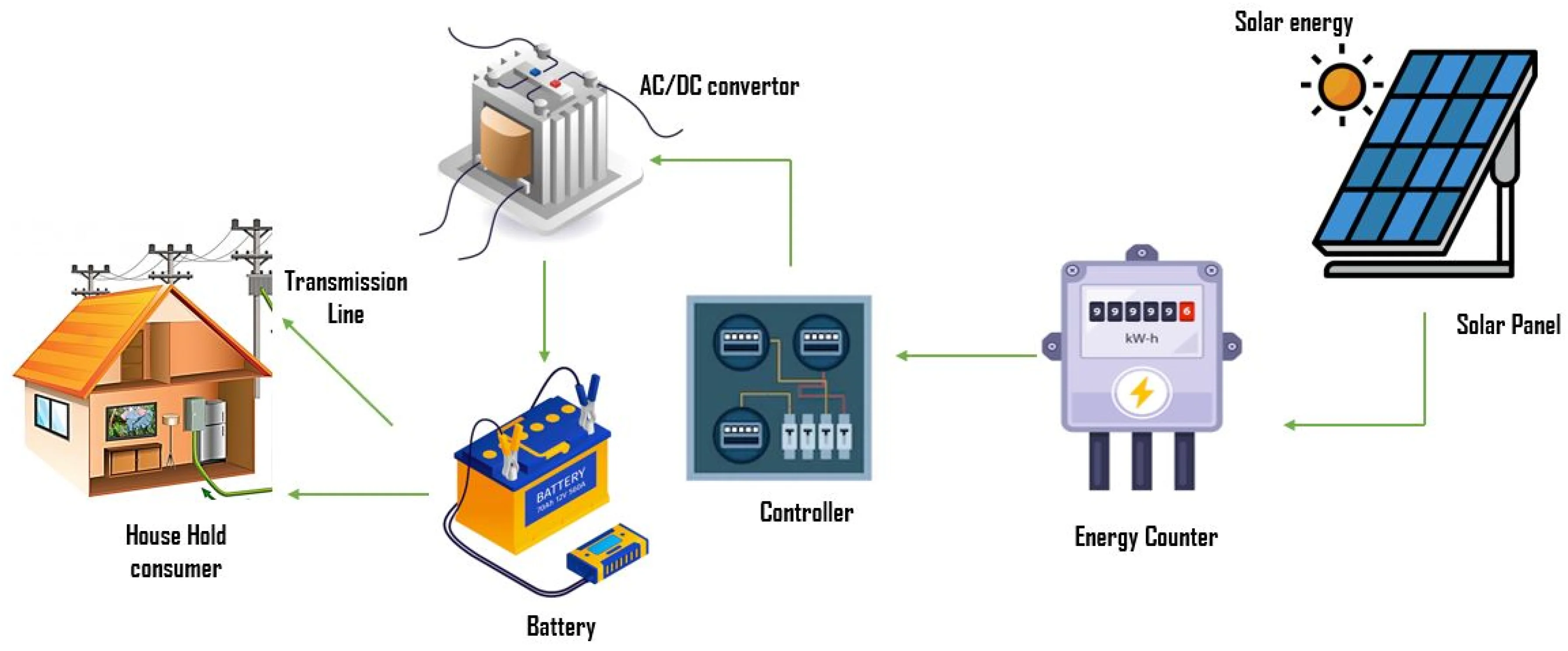
Collected energy rarely matches household needs directly. Transformation is required to convert electricity, heat, or mechanical energy into usable or storable forms. This includes electrical conversion, battery charging, heat storage, and the integration of renewable energy into domestic systems. |
|
Why This Chain Matters
Viewing collection, transport, and transformation as a continuous chain helps reveal where energy losses occur and where optimisation efforts are most effective.
This approach also prepares the ground for meaningful monitoring, allowing production and consumption data to be interpreted in their full technical context.